

Learn about Cohousing Communities
Check out these videos to learn more about the benefits of Cohousing.
Cohousing Communities Help Prevent Social Isolation
How Cohousing Can Make Us Happier (and Live Longer)
What is Cohousing and Is It Right for You?
Loneliness Is on the Rise. Are Closer Neighbors a Solution?
Frequently Asked Questions about Cohousing
-
Cohousing is an intentional neighborhood where residents have their own private, fully-equipped homes but share common spaces and a commitment to community. Think of it as "a neighborhood where you actually know your neighbors" — by design. You have all the privacy of your own home, plus access to shared amenities like a large common house, gardens, workshops, and guest rooms. Most cohousing communities share meals together several times a week (optional, never mandatory) and make decisions collaboratively.
-
No. You own your own home outright — it's yours, with a deed and everything. You have your own kitchen, bathroom, and private space. You can close your door whenever you want. The difference from a typical neighborhood is that you also share some spaces (like a common house with a big kitchen for community dinners, a workshop, guest rooms, and gardens) and you know your neighbors well because the community is designed to encourage interaction.
-
Cohousing communities are typically multigenerational — singles, couples, families with kids, empty nesters, and retirees all living together. This mix is intentional: it creates natural opportunities for connection across generations. Kids benefit from having multiple trusted adults around; older residents benefit from the energy and connection of a vibrant community.
-
The common house is the heart of a cohousing community — a shared building (ours will be approximately 3,000-4,000 square feet) that typically includes a large kitchen and dining area for community meals, a living room, guest bedrooms, laundry facilities, a kids' play area, and often a workshop or exercise room. It's like having an extension of your home without having to maintain it all yourself.
-
No! Community meals are always optional. Most cohousing communities offer shared dinners 2-4 times per week, and you sign up if you want to join. Many residents love the convenience of a home-cooked meal they didn't have to prepare (especially on busy weeknights), but there's zero obligation. When you want privacy, you eat at home.
-
Three big differences: First, residents design the community together before it's built — it's not a developer deciding what you need. Second, the shared spaces are much more generous than typical condo amenities (think 4,000 sq ft common house, not a sad gym in the basement). Third, the community is intentionally designed to foster interaction — homes face each other across courtyards, parking is at the periphery, and there are natural gathering spots throughout. The physical design encourages the "bumping into neighbors" moments that build real relationships.
-
Not at all! Many cohousing residents are introverts who love having community available when they want it while still having complete privacy at home. The key is that connection is available but never forced. You can wave hello on your way to your car, or you can stop and chat for 20 minutes — it's always your choice.
-
Cohousing is incredible for families. Kids can play freely in shared outdoor spaces with trusted neighbors nearby. Parents get built-in community support — whether that's other kids for playdates, adults who can keep an eye out, or the simple relief of a community dinner on a hectic Tuesday. Research shows kids raised in cohousing tend to be more resilient, comfortable with adults, and skilled at navigating social situations. And for parents, it dramatically reduces the isolation that so many families feel today.
-
Cohousing communities develop clear communication practices and conflict resolution processes. All members receive training in these approaches. The goal isn't that everyone becomes best friends — it's that everyone can live together respectfully. That said, most cohousing residents report that they have much closer relationships with their neighbors than they've had in any previous living situation.
-
This is a real concern, and cohousing communities take it seriously. At Coastside, community membership is somewhat self-selecting — people who are drawn to cohousing tend to share certain values around cooperation and respect. As the community develops, we'll establish clear community agreements and processes for addressing concerns. The collaborative nature of cohousing means issues are discussed openly rather than left to fester.
-
Cohousing communities typically adopt a condominium legal structure, where each household owns their home and shares ownership of common facilities. This model ensures collective responsibility for maintaining shared spaces while providing individual homeownership. Residents contribute to ongoing costs through homeowners associations, fostering a sustainable financial framework for cohousing communities.
Cohousing communities are typically financed through a combination of member contributions, bank loans, and sometimes grants. Members invest in their private homes and shared spaces, contributing to the overall development costs. Collective decision-making and financial transparency are integral to ensuring the sustainable funding and success of cohousing projects.
What are the ongoing financial commitments? Coastside equity members will be expected to contribute approximately 20% of their home's purchase price through periodic "cash calls" between now and when the construction loan is secured. This is typical for resident-led development projects where the future homeowners fund the pre-development costs.
-
Cohousing promotes sustainability through intentional design, incorporating eco-friendly features like shared open spaces, smaller dwellings, and construction in harmony with natural surroundings. Shared resources reduce individual carbon footprints, while collaborative planning emphasizes environmental consciousness.
This commitment to sustainability enhances the overall resilience and ecological harmony of cohousing communities.
-
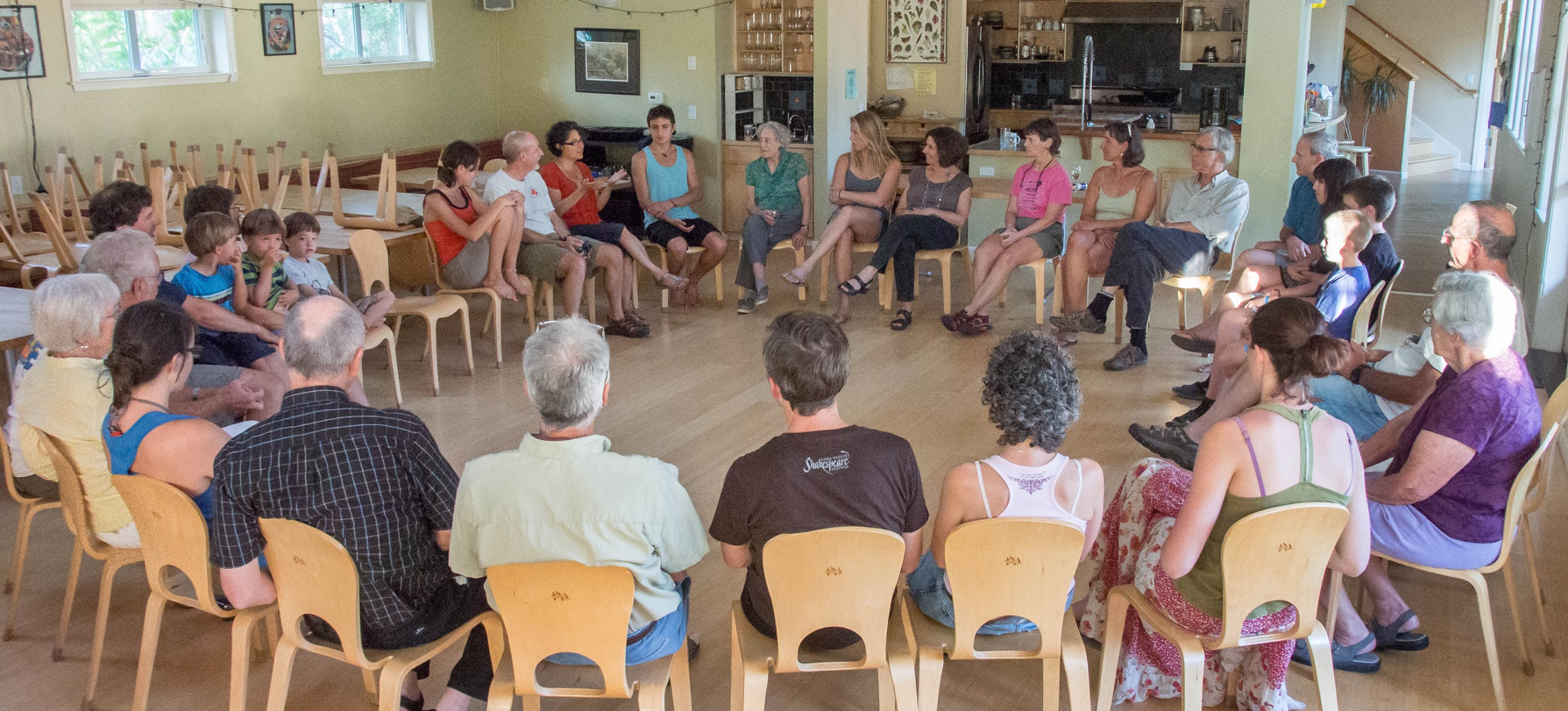
Cohousing cultivates connected relationships by design, encouraging regular interaction through shared spaces—most notably a central Common House with one large, shared kitchen and dining area where residents gather for community meals, celebrations, and everyday connection, along with additional spaces for recreation, meetings, and shared activities.
Active resident participation in planning fosters a strong sense of community, promoting mutual support, shared experiences, and a deeper social fabric that enriches the overall quality of relationships within the cohousing setting.
-
Join our Explorer program to learn more about Coastside and determine if it is a good fit for you!
Become an Explorer
Want to learn more about Coastside? The Explorer step allows you to engage more deeply with the community, participate in conversations, and take time to decide whether cohousing is the right fit for your lifestyle. Explorers will have the opportunity to apply for Equity Membership once the design phase is complete.